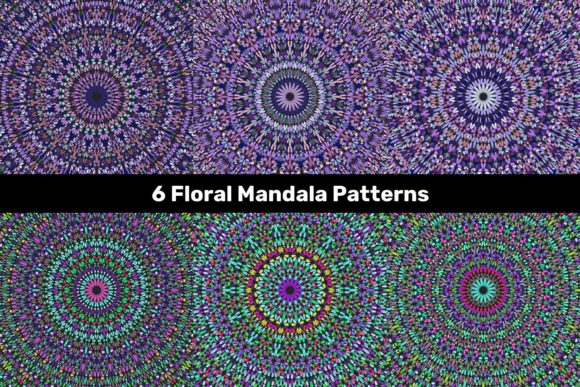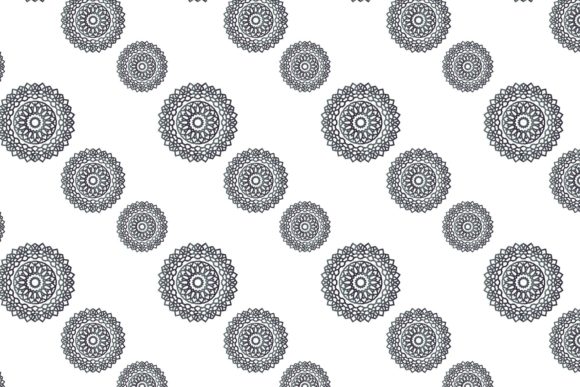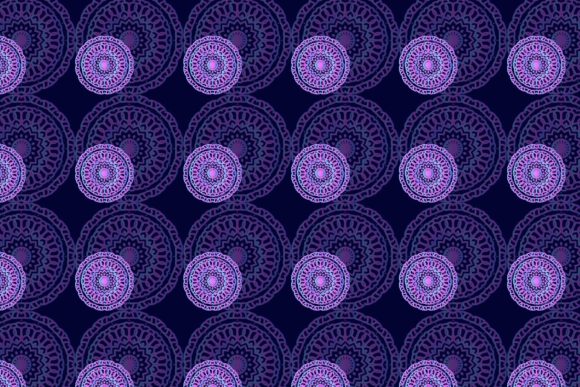
Mandala Background Element Patterns
Mandala Background Element Patterns offer a unique blend of symmetry, spirituality, and artistic expression. These designs are rooted in ancient traditions but have found new life in modern design practices. Their intricate geometric shapes, repeating motifs, and balanced compositions make them ideal for a wide range of creative applications.
Visually, Mandala Background Element Patterns exude a sense of harmony and depth. The use of circles, triangles, and other symbolic shapes creates a visually engaging backdrop that can enhance any project. Whether used as a subtle texture or a bold statement, these patterns bring a sense of calm and sophistication to the design.
The personality of Mandala Background Element Patterns is both calming and powerful. They evoke a sense of mindfulness and introspection, making them perfect for projects that aim to convey peace, balance, or spiritual connection. Their style is versatile, blending well with both traditional and contemporary aesthetics.
Where Mandala Background Element Patterns Shine
Mandala Background Element Patterns are incredibly versatile. They work well in creative projects such as logo design, editorial layouts, and packaging concepts. Their intricate details can add a touch of elegance to any visual composition.
In branding and marketing, these patterns can help create a memorable visual identity. They are particularly effective in campaigns that focus on wellness, mindfulness, or cultural themes. Their ability to communicate meaning through form makes them a valuable asset in brand storytelling.
For digital and print projects, Mandala Background Element Patterns provide a rich, textured background that can elevate the overall look of a design. They are ideal for social media graphics, website headers, and promotional materials. Their high-resolution canvas size ensures clarity and detail at any scale.
How Mandala Background Element Patterns Influence Design
When used effectively, Mandala Background Element Patterns can significantly impact readability and visual hierarchy. Their complexity requires careful placement to avoid overwhelming the viewer. Balancing them with clean typography and ample white space helps maintain clarity and focus.
In terms of brand perception, these patterns can reinforce a brand’s values and identity. A well-chosen mandala design can communicate professionalism, creativity, and attention to detail. Consistency in using these elements across different platforms helps build brand recognition and trust.
Audience engagement is another key benefit. The intricate nature of mandala patterns can capture attention and encourage interaction. Whether used in a website layout, an app interface, or a printed brochure, they can create a lasting impression that resonates with users.
Choosing and Using Mandala Background Element Patterns
Selecting the right Mandala Background Element Pattern depends on the specific needs of your project. Consider the tone, audience, and purpose of your design. For example, a more minimalist mandala might suit a modern tech startup, while a detailed, ornate pattern could align with a luxury brand or cultural event.
Evaluating how well a pattern fits your project involves testing it in different contexts. Try using it in various sizes, colors, and backgrounds to see how it performs. Pay attention to how it interacts with other design elements, such as text, images, and icons.
Font pairing is also important when working with Mandala Background Element Patterns. A complementary typeface can enhance the overall aesthetic without clashing. For instance, pairing a clean sans-serif font with a detailed mandala design can create a striking contrast that draws the eye and improves readability.
Practical Tips for Working with Mandala Background Element Patterns
When working with Mandala Background Element Patterns, start by reviewing the included styles. Each file format—AI, EPS, SVG, JPG, and PNG—offers different advantages depending on your workflow. Vector formats like AI and EPS are ideal for scalable designs, while raster formats like JPG and PNG are useful for web and social media use.
Readability should always be a priority. Ensure that any text placed over a mandala pattern remains legible. This may involve adjusting the color, opacity, or placement of the text. Testing the design in different lighting conditions and screen sizes can also help identify potential issues.
Commercial licensing is another important consideration. Make sure you understand the terms of use for Mandala Background Element Patterns before incorporating them into your projects. This includes knowing whether they can be used for personal, commercial, or resale purposes.
Finally, consider the emotional impact of the design. Mandala patterns can evoke a range of feelings, from tranquility to energy. Choose a pattern that aligns with the message and mood you want to convey. Whether it's for a product launch, a website redesign, or a personal project, the right mandala pattern can make all the difference.