Mandala Patterns Illustration: A Timeless Design Element for Modern Creativity
Mandala patterns have long been a symbol of balance, harmony, and spiritual significance. Originating from ancient cultures, these intricate geometric designs have evolved into a powerful visual language that resonates across art, design, and digital media. Today, mandala patterns are more than just decorative elements—they are versatile tools that can elevate a wide range of creative projects. Whether you're designing a logo, crafting an illustration, or creating a t-shirt graphic, mandala patterns offer endless possibilities.
What Are Mandala Patterns Illustration?
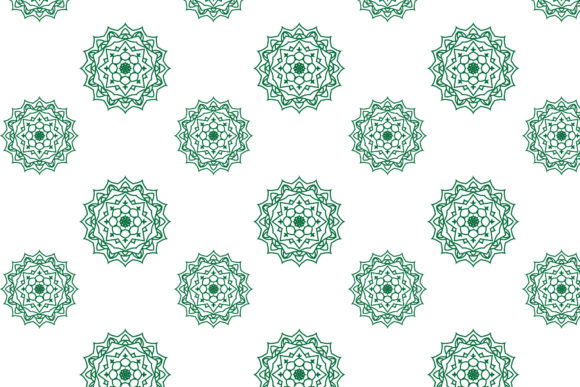
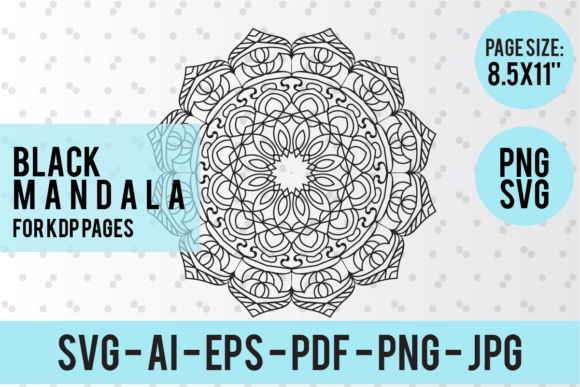
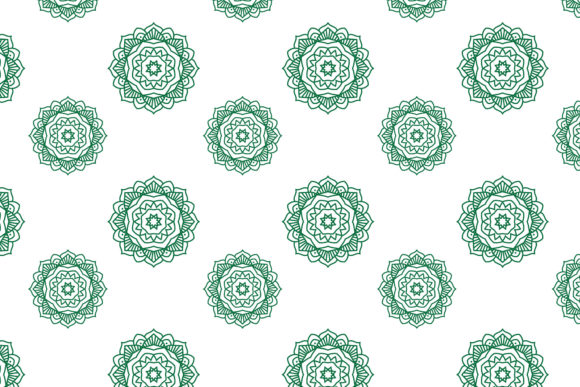
Mandala patterns are symmetrical, circular designs that often feature repeating motifs, intricate details, and a sense of balance. These patterns are rooted in spiritual traditions, particularly in Buddhism and Hinduism, where they were used as meditative tools and symbols of unity. Over time, their aesthetic appeal has made them popular in various artistic and commercial contexts.
In modern design, mandala patterns are used to create visually engaging compositions that capture attention and evoke a sense of calm. Their structured yet flexible nature makes them ideal for a wide range of applications, from branding to animation. When combined with vector design, mandala patterns become even more valuable, offering scalability, editability, and precision.
The Rise of Mandala Patterns in Contemporary Design
As design trends continue to evolve, there is a growing appreciation for patterns that combine tradition with modernity. Mandala patterns align with this shift, offering a bridge between ancient symbolism and contemporary aesthetics. In recent years, we've seen an increase in the use of mandala-inspired designs in everything from fashion to digital interfaces.
This trend reflects a broader movement toward mindfulness and intentional design. Many creators and businesses are seeking ways to incorporate meaningful, visually striking elements into their work. Mandala patterns provide a way to do this while maintaining a professional and polished look. They also resonate with audiences who value authenticity and depth in visual storytelling.
Why Vector Design Matters for Mandala Patterns
When working with mandala patterns, the quality of the file format plays a crucial role in how effectively the design can be used. Vector files, such as AI, EPS, SVG, PNG, and JPG, offer distinct advantages that make them ideal for a variety of creative applications.
Vector files are scalable without losing quality, which means they can be resized for different uses—whether it's a small logo or a large banner. This flexibility is especially important for designers who need to adapt their work to different platforms and formats. Additionally, vector files are editable, allowing for customization and refinement to suit specific project needs.
Practical Applications of Mandala Patterns Illustration
The versatility of mandala patterns makes them suitable for a wide range of creative and commercial purposes. Here are some practical examples of how these designs can be used:
- Logos: Mandala patterns can serve as the foundation for unique and memorable logos. Their symmetry and complexity add a level of sophistication that can set a brand apart.
- Illustrations: Artists and illustrators can incorporate mandala patterns into their work to add depth, texture, and visual interest. These patterns can be used as background elements or as focal points in a composition.
- Animations: In digital media, mandala patterns can be animated to create dynamic and engaging visual effects. Their repetitive structure lends itself well to motion graphics and interactive designs.
- T-shirt Designs: Fashion designers often use mandala patterns to create eye-catching and meaningful apparel. The intricate details and symbolic nature of these designs make them appealing to a wide audience.
Each of these applications benefits from the high-quality, editable nature of vector files. Whether you're working on a digital project or preparing a print-ready design, having access to multiple file formats ensures that your mandala patterns can be used effectively in any context.
How to Choose the Right Mandala Pattern Files
When selecting mandala pattern illustrations, it's important to consider the specific needs of your project. Different file formats offer different levels of flexibility and compatibility:
- AI (Adobe Illustrator): Ideal for detailed editing and professional design workflows. This format allows for full control over every element of the design.
- EPS (Encapsulated PostScript): A versatile format that works well for both print and digital use. It maintains high quality and is compatible with most design software.
- PNG and JPG: These raster formats are useful for web and social media use. They offer good quality and are easy to share and embed.
- SVG (Scalable Vector Graphics): Perfect for digital projects that require scalability and responsiveness. SVG files are widely supported and can be used in web design and animations.
By choosing the right file type, you can ensure that your mandala patterns are not only visually appealing but also functional and adaptable to different platforms and mediums.
Designing with Mandala Patterns: Tips and Best Practices
Whether you're a seasoned designer or just starting out, incorporating mandala patterns into your work requires a thoughtful approach. Here are some tips to help you make the most of these designs:
- Start with a clear purpose: Determine how the mandala pattern will be used in your project. Will it be a background, a focal point, or a part of a larger composition?
- Balance complexity and clarity: While mandala patterns are intricate, they should still be legible and effective in their intended context. Avoid overcrowding or overcomplicating the design.
- Experiment with color: Color can greatly influence the mood and impact of a mandala pattern. Consider how different hues and gradients can enhance the visual appeal of your design.
- Use layers and grouping: When working with vector files, organizing your design elements into layers and groups can make editing and adjustments more efficient.
By following these guidelines, you can create mandala-based designs that are both aesthetically pleasing and functionally effective.
Future Trends and the Role of Mandala Patterns
As technology continues to advance, the way we create and interact with design is constantly changing. Mandala patterns are likely to remain relevant, especially as more designers seek to blend traditional aesthetics with modern techniques.
We may see increased use of mandala patterns in augmented reality, virtual environments, and interactive media. These designs could also play a role in personalized branding and user experiences, where visual storytelling is key. As design tools become more accessible, more people will have the opportunity to explore and experiment with mandala patterns in their own work.